TEL: +86 15587495056

Chemical Pump with Plan 53B: An In – Depth Analysi

Introduction
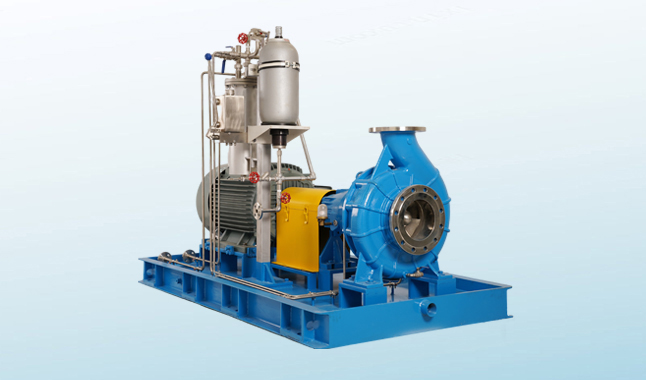
In the chemical industry, the selection of appropriate pumps is crucial for efficient and safe operations. A chemical pump with Plan 53B is a specialized type of equipment designed to handle challenging chemical substances. This article will explore various aspects of chemical pumps with Plan 53B, including their principles, advantages, application scenarios, and comparisons with other systems.
Principles of Chemical Pumps
Chemical pumps operate based on different principles. When using centrifugal force, the space between the rotating shaft and the impeller sucks in the liquid. The liquid is then pushed into the casing through rotation. After being pressurized, the liquid is ejected with a certain head. The pump consists of a pump head made of materials customized according to the liquid characteristics and a rotating impeller installed on the rotating shaft. Another principle is using cylinder pressure, where the pump uses piston movement to convey a small amount of liquid. It can measure the liquid with high precision and is used in fields such as medicine and research. The power source of a chemical pump can be electric, pneumatic, or manual. Electric or pneumatic pumps offer high – efficiency and good stability, enabling efficient liquid transportation. Manual pumps are suitable for places without a power source and are ideal for simple liquid transfer.
Plan 53B in Chemical Pumps
System Structure and Features
Plan 53B is a part of the mechanical seal auxiliary system. It features a closed – loop forced circulation system. An electric or mechanically – driven pump is integrated to actively circulate the isolation liquid, ensuring more stable flow and pressure. It is a self – pressurized system, eliminating the need for an external gas source. The system maintains pressure through the pump, making it suitable for dynamic pressure requirements. Additionally, it usually has built – in heat exchangers or filters, providing stronger temperature control and cleaning capabilities.
Advantages
- Stable Performance: The forced circulation design of Plan 53B ensures a stable supply of isolation liquid, which is beneficial for maintaining the normal operation of the mechanical seal. This stability reduces the risk of seal failure and extends the service life of the pump.
- Suitability for Variable Conditions: It can adapt to variable working conditions, such as pumps that start and stop frequently or handle high – viscosity fluids like polymers and asphalt. The ability to adjust to different pressures and flow rates makes it a versatile choice in complex chemical processes.
- Enhanced Temperature Control: With built – in heat exchangers, Plan 53B can effectively control the temperature of the isolation liquid. This is particularly important in high – temperature applications, such as hot oil pumps, where precise temperature control is required to prevent thermal damage to the pump and the mechanical seal.
Application Scenarios of Chemical Pumps with Plan 53B
Variable Working Conditions
In processes where the pump experiences frequent starts and stops, or the flow rate and pressure change frequently, a chemical pump with Plan 53B is an excellent choice. For example, in some chemical production lines where different batches of products require different operating parameters, the pump needs to adjust quickly. Plan 53B can handle these dynamic changes effectively, ensuring continuous and stable operation.
High – Viscosity Media
When dealing with high – viscosity fluids like polymers and asphalt, the forced circulation of Plan 53B can ensure that the isolation liquid can flow smoothly. High – viscosity media often pose challenges to the normal operation of pumps, as they can cause blockages and affect the performance of the mechanical seal. The active circulation of Plan 53B overcomes these difficulties and maintains the proper functioning of the pump.
High – Temperature Applications
In high – temperature scenarios, such as hot oil pumps, maintaining the right temperature of the isolation liquid is crucial. Plan 53B’s built – in heat exchangers can cool or heat the isolation liquid as needed, ensuring that the mechanical seal operates within the appropriate temperature range. This helps to prevent seal failure due to overheating and extends the service life of the pump.
Comparison with Other Plans
Comparison with Plan 53A
- Pressure Source: Plan 53A uses a nitrogen – pressurized storage tank, while Plan 53B uses a mechanical pump for circulation and pressurization. The nitrogen – pressurized system in Plan 53A requires an external nitrogen source, which may limit its application in some areas. In contrast, Plan 53B does not rely on an external gas source, providing more flexibility.
- Circulation Method: Plan 53A relies on natural convection for the circulation of the isolation liquid, while Plan 53B uses forced circulation. Forced circulation in Plan 53B ensures more stable flow and pressure, which is beneficial for handling variable working conditions.
- Maintenance Complexity: Plan 53A requires regular inspection of the nitrogen pressure, while Plan 53B needs maintenance of the pump and electrical components. Although the initial cost of Plan 53B is higher, its long – term controllability is better.
Key Players in the Chemical Pump Market
In the global chemical pump market, there are many well – known manufacturers. Some of the key players include CRIS Hermetic Pumps, Hayward Tyler, OPTIMEX, and Hermag Pumps. These companies offer a wide range of chemical pumps, including those with Plan 53B systems. They have advanced manufacturing technologies and strict quality control systems to ensure the performance and reliability of their products. For example, some companies use high – quality materials and precision manufacturing processes to improve the corrosion resistance and durability of the pumps.
Future Development Trends
Technological Innovation
With the development of technology, chemical pumps with Plan 53B are expected to undergo continuous innovation. New materials will be used to improve the performance of the pump, such as more corrosion – resistant alloys and advanced polymers. Additionally, intelligent control systems will be integrated to monitor and adjust the operation of the pump in real – time, improving efficiency and reducing energy consumption.
Environmental Protection Requirements
As environmental protection becomes more important, chemical pumps need to meet stricter environmental standards. Plan 53B systems can be further optimized to reduce leakage and emissions, minimizing the impact on the environment. For example, more efficient sealing technologies can be developed to prevent the leakage of chemical substances.
Market Expansion
The demand for chemical pumps with Plan 53B is expected to increase in various industries, such as petrochemical, fine chemical, and new energy. As these industries continue to grow, the need for reliable and efficient chemical pumps will also rise. This will drive the market expansion of chemical pumps with Plan 53B, and manufacturers will need to continuously improve their products to meet the market demand.
In conclusion, a chemical pump with Plan 53B is a valuable asset in the chemical industry. Its unique design and performance make it suitable for a variety of challenging applications. By understanding its principles, advantages, and application scenarios, as well as comparing it with other systems, users can make more informed decisions when selecting chemical pumps. With the continuous development of technology and the increasing demand for environmental protection, the future of chemical pumps with Plan 53B looks promising.