TEL: +86 15587495056

What pump is used for unloading hydrochloric acid?

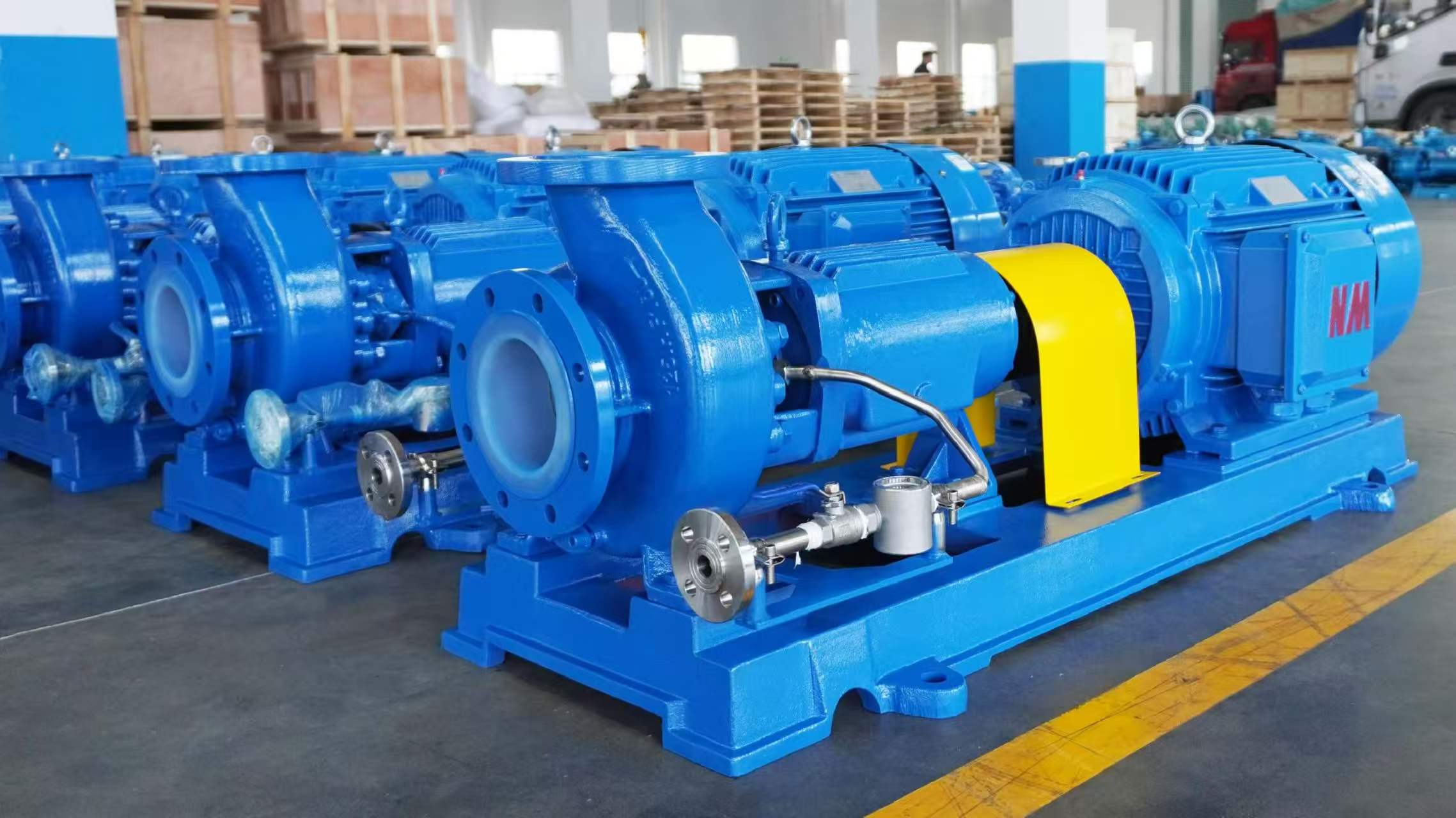
In many industrial fields such as chemical engineering, electroplating, metallurgy, and pharmaceuticals, hydrochloric acid, as the basic and core chemical raw material, runs through the production process of many products. In the chemical field, it is used to synthesize reagents and adjust the pH value of reaction systems. In the electroplating field, it is used for acid washing and rust removal on metal surfaces. In the metallurgical field, it is used for ore leaching and purification. In the pharmaceutical field, it is used for intermediate synthesis. Its importance is self-evident. However, at the same time, hydrochloric acid, especially concentrated hydrochloric acid with a concentration of over 31%, has extremely strong corrosiveness, volatility, and high toxicity. Once a leak occurs during the unloading process (from transport tank trucks to storage tanks), it not only corrodes equipment and pollutes the environment, but also directly threatens the personal safety of operators, and even leads to production interruption, causing huge economic losses and compliance risks. Therefore, choosing a suitable, safe, and stable discharge pump has become a key link for enterprises to ensure production safety and achieve environmental compliance.
The selection of hydrochloric acid discharge pump should break through two core pain points: first, corrosion resistance. Concentrated hydrochloric acid can easily corrode ordinary metals, conventional plastics and other materials. The pump body, impeller, seals and other overcurrent components must be able to withstand strong acid immersion for a long time without aging or damage; The second is sealing performance. The strong volatility of concentrated hydrochloric acid requires the pump body to have excellent sealing performance, to prevent acid leakage and acid mist overflow, and to avoid safety and environmental hazards from the source. After long-term industry practice verification, fluoroplastic magnetic pumps and fluoroplastic centrifugal pumps have become the mainstream preferred choice for hydrochloric acid discharge due to their outstanding corrosion resistance and sealing advantages, and are suitable for the discharge needs of the vast majority of industrial scenarios.
Option 1: Fluoroplastic magnetic pump – the preferred “safety protection type” for hydrochloric acid discharge
The reason why fluoroplastic magnetic pumps can become the preferred model for discharging concentrated hydrochloric acid lies in their “leak free” structural design and excellent corrosion resistance, perfectly matching the highly corrosive and toxic medium characteristics of concentrated hydrochloric acid. This pump adopts the principle of magnetic transmission, which eliminates the traditional pump’s shaft seal structure and achieves power transmission through the magnetic coupling of internal and external magnetic steel, completely eliminating the hidden danger of shaft seal leakage structurally. It effectively prevents acid leakage and acid mist diffusion, ensuring the safety of operators and a clean production environment from the root, which is also its core advantage compared to other pump types.
In terms of material compatibility, the overcurrent components (pump body, impeller, isolation sleeve, etc.) of the fluoroplastic magnetic pump are all made of high-quality fluoroplastic materials such as FEP and PFA. These materials have excellent resistance to strong acids and corrosion, and can withstand immersion in concentrated hydrochloric acid of more than 31% for a long time without aging, cracking, or corrosion, solving the pain point of ordinary pump materials being easily corroded by hydrochloric acid. At the same time, the fluoroplastic material also has good high temperature resistance and aging resistance, which is suitable for the temperature fluctuation scenario that may occur during the unloading process of hydrochloric acid to ensure long-term stable operation.
In addition, fluoroplastic magnetic pumps also have the characteristics of smooth operation, low noise, and low energy consumption. Its internal components have no hard contact and operate with minimal vibration, which not only reduces equipment wear and extends its service life, but also reduces noise pollution on the production site; The contactless design of magnetic transmission reduces energy loss and is more energy-efficient compared to traditional pump types, meeting the needs of green production in enterprises. In terms of adaptation scenarios, fluoroplastic magnetic pumps are particularly suitable for chemical and pharmaceutical industries that require high safety requirements and continuous production, as well as zero tolerance for leakage during hydrochloric acid unloading processes. They are also suitable for hydrochloric acid unloading with small amounts of impurities (requiring pre filtration devices), making them an ideal choice that balances safety, stability, and environmental protection. It should be noted that the pump is sensitive to solid particles in the medium. If there are impurities in hydrochloric acid, a filtering device should be equipped in advance to avoid wearing the isolation sleeve inside the pump and affecting its service life.
Option 2: Fluoroplastic Centrifugal Pump – “Efficient and Practical” Optimal Selection for Hydrochloric Acid Unloading
Fluoroplastic centrifugal pumps, as another mainstream choice for hydrochloric acid discharge, are widely used in electroplating, metallurgy, and other scenarios with certain requirements for discharge efficiency and relatively conventional working conditions due to their advantages of simple structure, convenient maintenance, and wide flow adaptability. The pump adopts the principle of centrifugal force for medium transportation, with a simple structural design. The core flow components are also made of high-quality fluoroplastic material, which has excellent compatibility with concentrated hydrochloric acid and can effectively resist the corrosion of concentrated hydrochloric acid, avoiding leakage problems caused by material damage.
Compared with fluoroplastic magnetic pumps, fluoroplastic centrifugal pumps use containerized double end mechanical seals, pressureless sintered silicon carbide (SSIC) dynamic and static rings, and fluororubber sealing rings, which have tight and reliable sealing performance, can effectively prevent acid leakage, and have the characteristics of wear resistance and long service life. The pump body adopts a structure with a metal shell lined with fluoroplastic, which balances the structural strength of metal and the corrosion resistance of fluoroplastic. It can withstand the weight and mechanical impact of pipelines, as well as resist the erosion of hydrochloric acid, and is suitable for various installation scenarios.
In terms of performance, fluoroplastic centrifugal pumps have a wide range of flow and head coverage, which can meet the hydrochloric acid unloading needs of different enterprises – whether it is intermittent unloading in small workshops or continuous unloading in large production lines, they can be flexibly adapted. At the same time, the disassembly and maintenance of the pump are extremely convenient, and the replacement of parts is simple, which can effectively reduce the operation and maintenance costs and downtime losses of the enterprise. In addition, the price of nitrogen plastic centrifugal pumps is relatively affordable, with outstanding cost-effectiveness, suitable for enterprises that require cost control and have relatively simple unloading conditions without special extreme requirements, such as hydrochloric acid tank transfer in the electroplating industry and ore acid washing unloading in the metallurgical industry. It should be noted that ordinary fluoroplastic centrifugal pumps may experience slight leakage in the sealing area due to medium corrosion during long-term continuous operation. Therefore, it is necessary to regularly check the condition of the sealing components and replace aging parts in a timely manner.
Comparison and selection suggestions of two pump types
Although both chloroplastic magnetic pumps and fluoroplastic centrifugal pumps are suitable for hydrochloric acid discharge, there are differences in structure, performance, and adaptation scenarios. Enterprises can choose reasonably based on their own production conditions, safety requirements, and cost budget:
If the enterprise belongs to the chemical, pharmaceutical and other industries, it has extremely high safety requirements for hydrochloric acid discharge, needs to achieve “zero leakage”, and needs to operate continuously for a long time. Fluoroplastic magnetic pumps are preferred, and their shaft seal free design can completely avoid leakage risks. They are suitable for high toxicity and strong volatility concentrated hydrochloric acid discharge scenarios, especially for enterprises with strict environmental compliance requirements.
If the enterprise belongs to industries such as electroplating and metallurgy, the unloading conditions of hydrochloric acid are relatively conventional, without extreme safety requirements, and pays attention to unloading efficiency, maintenance convenience, and cost control, fluoroplastic centrifugal pumps are preferred. Their wide flow head coverage, simple structure, and affordable price can meet most of the conventional hydrochloric acid unloading needs.
The safety and stability of the hydrochloric acid unloading process are directly related to the safety production, environmental compliance, and production continuity of the enterprise, and the selection of pumps is the core key. The safety advantage of zero leakage of nitrogen plastic magnetic pumps has become the first choice for high demand scenarios; Fluoroplastic centrifugal pumps are suitable for most conventional scenarios due to their high efficiency, practicality, and cost-effectiveness. With excellent corrosion resistance and reliable sealing performance, both have solved the industry pain points of concentrated hydrochloric acid discharge, providing a safe and efficient solution for hydrochloric acid discharge in industries such as chemical, electroplating, metallurgy, and pharmaceuticals.
When selecting pumps, enterprises need to scientifically choose the appropriate pump type based on their own working conditions, safety requirements, and cost budget. At the same time, they should pay attention to the installation, maintenance, and standardized operation of the pump in order to maximize its performance, eliminate safety hazards, ensure continuous and stable production operation, and achieve a dual improvement of economic and safety benefits.